I N F J
So, you're an INFJ.
The Sage
Quiet, future-focused, and tuned to people in a way that can feel almost uncanny. You lead with insight and care deeply about meaning. You are also the rarest of the sixteen types, which is part of why you have spent your life feeling a little bit out of step with everyone else.
Ni · Fe · Ti · Se

INFJ at a glance
A quick portrait before you go deeper. None of this is a box; it is a starting point for understanding how your mind tends to work.
Strengths
- Insight and foresight
- Deep empathy
- Commitment to values
- Real one-on-one connection
Struggles
- Perfectionism
- Over-giving and burnout
- Weak boundaries
- Living too much in the head
At your best
- Visionary and grounded
- Warm without losing yourself
- Helping people grow
- Turning insight into action
Under stress
- Withdrawing completely
- Overindulging the senses
- Fixating on small details
- The sudden door slam
Your cognitive functions
The eight processes behind the four letters
Your type is not really four letters. It is an ordered stack of eight mental processes, each one more or less conscious than the next. The first four you use naturally. The last four are your shadow, and they mostly show up when you are stressed or pushed. Tap any function to see how it works in you.
Conscious stack
Shadow stack
Introverted Intuition
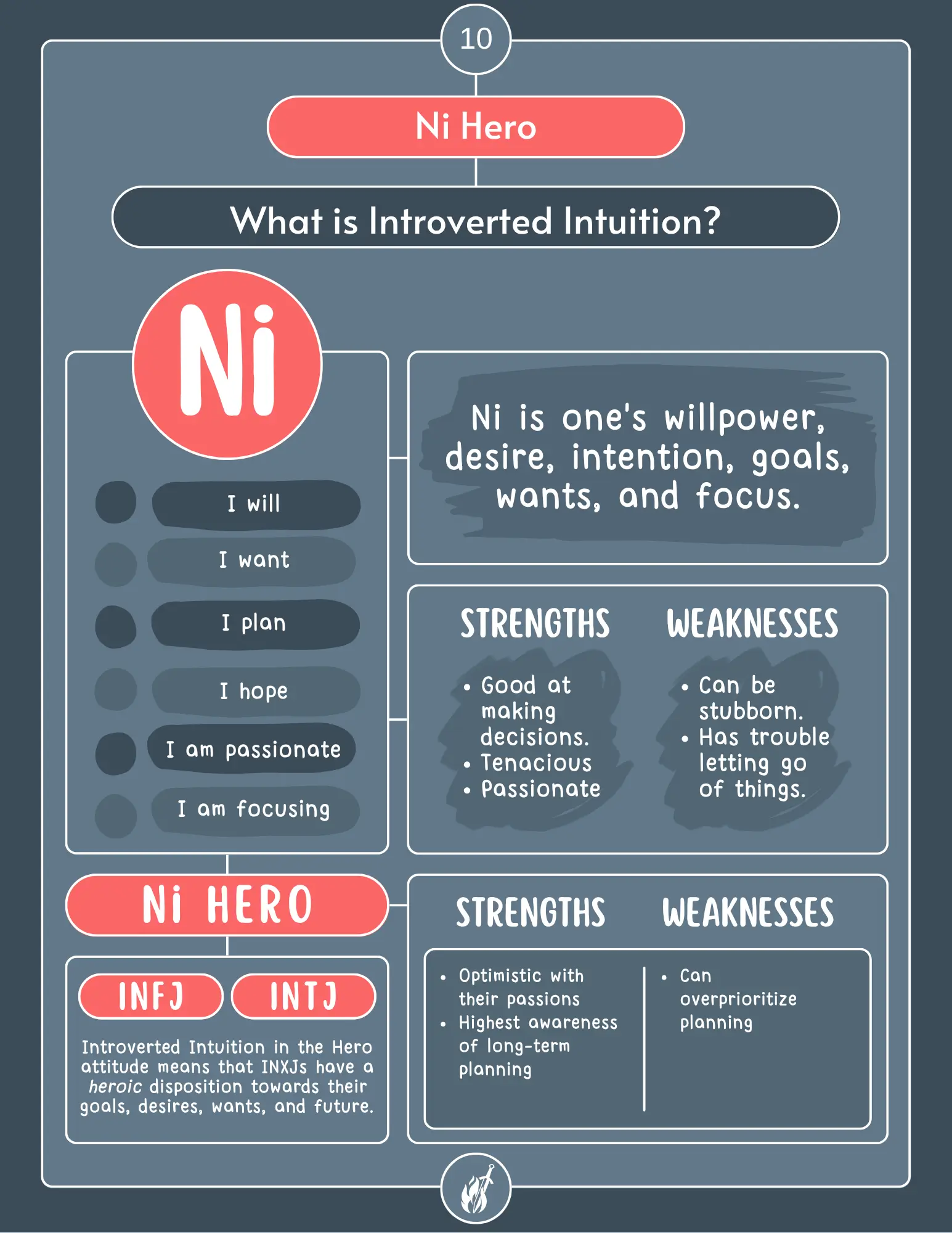
Your lead process. Beneath the surface, your mind quietly weaves everything you take in into patterns, themes, and a sense of where things are heading. Insights tend to arrive whole, often without you being able to trace the steps that got you there. This is the source of your foresight, your pull toward meaning, and that particular feeling of just knowing something before you can explain it.
Trust the insight, but slow down enough to explain it. When you can put words to what you 'just know', people can actually follow you, and you can check whether the vision holds up.
Position 1 of 8 · most conscious
Extraverted Feeling
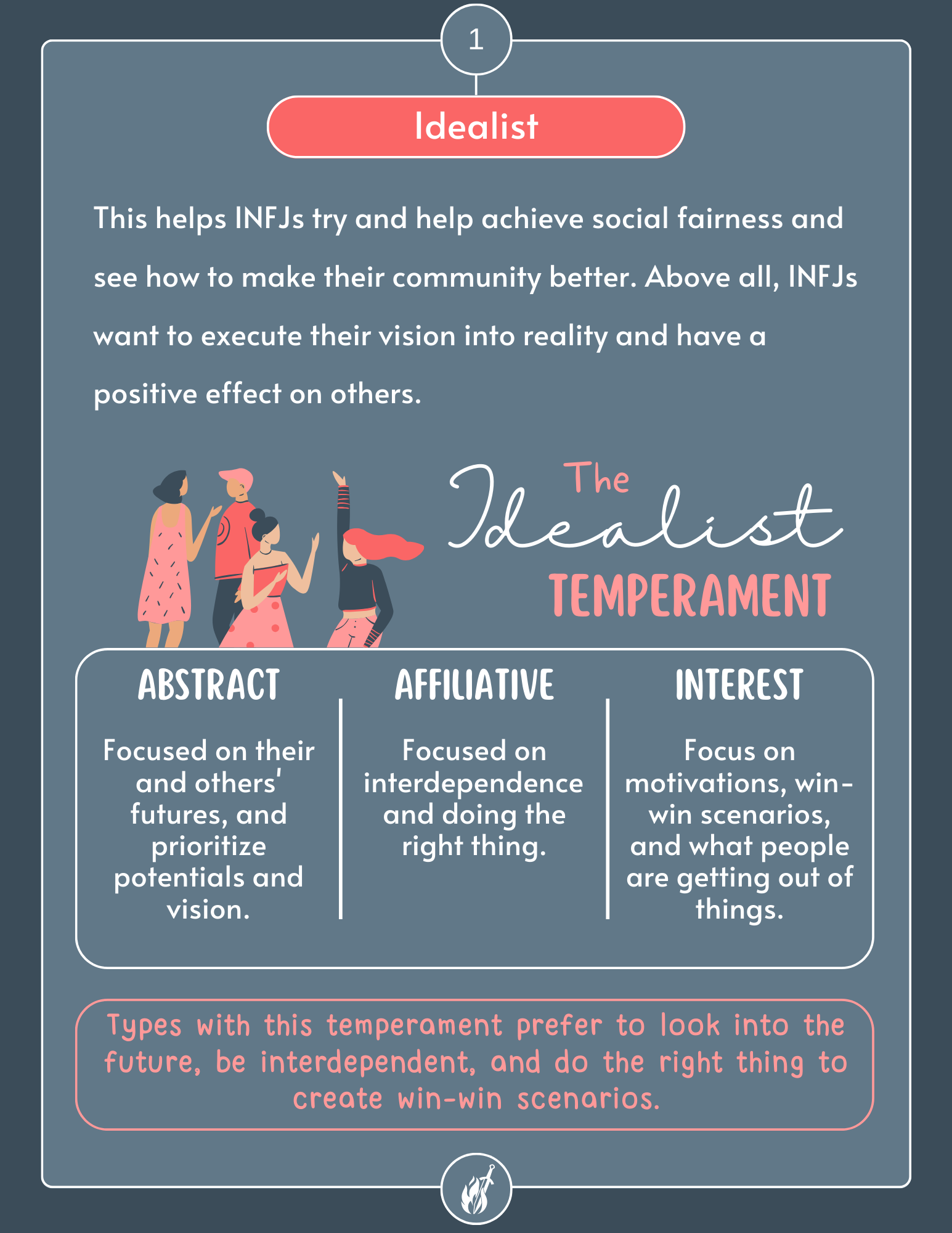
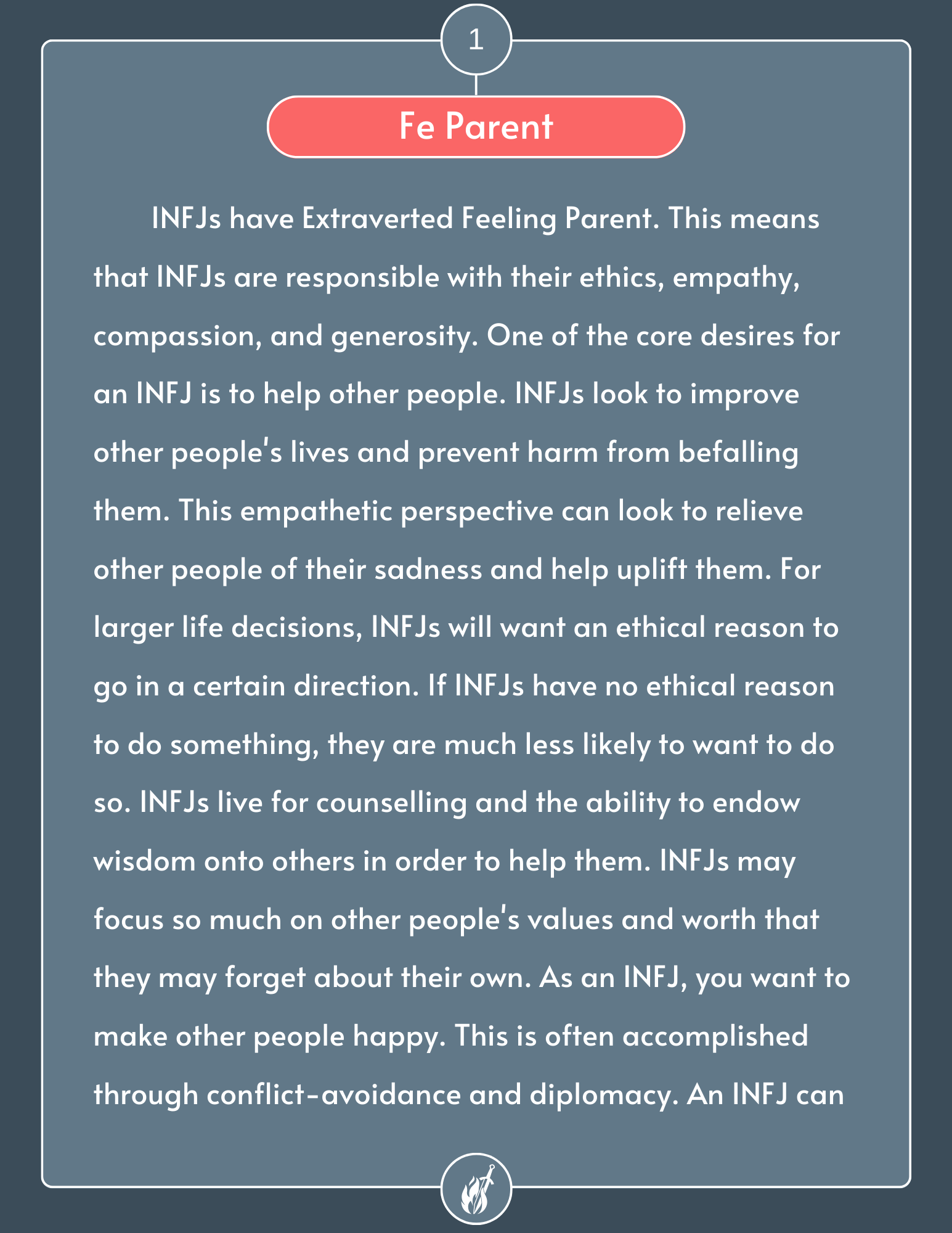
How you reach outward. You read the emotional temperature of a room, feel what other people feel, and move almost automatically to create harmony and help people grow. It is the warmth others sense in you. It is also why conflict, criticism, and other people's pain can land so heavily, and why you sometimes carry emotions that were never yours to begin with.
Before you tend to everyone else, pause and ask what you feel and need. Your warmth is a gift, but only when it isn't costing you yourself.
Position 2 of 8 · supporting
Introverted Thinking
Your quieter, analytical side. You like to take ideas apart, test whether they hold together, and build your own private understanding of how things work. It gives you independence of thought and a bit of a stubborn streak when your own logic disagrees with the room. When it is working well, it sharpens your insight instead of second-guessing it.
Give this side room to play. Let yourself dig into a subject purely because it interests you. It sharpens your judgment and gives your mind a rest from carrying everyone's feelings.
Position 3 of 8 · relaxed and playful
Extraverted Sensing
Your growth edge. Staying in the physical present, your body, your senses, the actual moment in front of you, does not come naturally. When you develop it, it grounds you and brings a spontaneity that can feel like relief. When you are stressed, it flips: this is the function behind the overindulging, the bingeing, and the sensory overwhelm that can catch you off guard.
Spend deliberate time in your body and your senses: walk, cook, exercise, make something. Small doses of the present are the single best antidote to living in your head.
Position 4 of 8 · least conscious, most aspirational
Extraverted Intuition
The doubting cousin of your intuition. Where your Ni narrows toward a single insight, Ne under stress sprays outward into every possibility that could go wrong. It tends to show up as anxious what-if spirals that scatter your usual focus and make a clear situation suddenly feel full of threats.
When the what-if spiral starts, name it as anxiety, not insight. Write the worries down and ask which are actually likely. That pulls you back to your grounded Ni.
Position 5 of 8 · shadow
Introverted Feeling
A harsh inner judge of worth and values. It can turn your natural empathy inward as self-criticism, telling you that you are not good enough or not doing enough. Pointed outward, it can flare into sharp, uncharacteristic judgments about whether other people are being true to themselves.
Notice the harsh inner voice and question it like you would question a friend's self-criticism. You extend grace to everyone else; practise pointing some of it inward.
Position 6 of 8 · shadow
Extraverted Thinking
Your awkward relationship with cold logistics. Demands to prove things with hard metrics, or to be bluntly efficient on the spot, can feel like a trap. You might fumble here, feel outmaneuvered, or dismiss it entirely, and then swing the other way and try to over-control everything for a while.
You don't have to be ruthlessly efficient to be competent. Lean on structure and simple systems rather than forcing yourself to perform cold logic on the spot.
Position 7 of 8 · shadow
Introverted Sensing
Your deepest blind spot. Routine physical detail and past-based facts can quietly overwhelm you or trip you up. Under heavy, sustained stress this can surface as fixation on bodily symptoms, or a rigid, uncharacteristic clinging to how things have always been done.
Under heavy stress, this is your warning light, not your identity. Rest, basic routines, and support bring you back. Don't make big decisions from here.
Position 8 of 8 · least conscious
A few things that actually help
Not a life plan, just the handful of shifts that tend to make the biggest difference for INFJs. Each one comes straight from your function stack.
Get out of your head and into your body
Your weakest function (Se) is the present moment. Move, walk, cook, make something with your hands. Time spent in your senses is the fastest way to quiet an overactive mind.
Guard your boundaries
Your Fe soaks up everyone else's feelings. Learn to tell the difference between their emotions and yours, and practice saying no before resentment builds into a silent door slam.
Say what you need out loud
You track everyone else's needs and hide your own. People are not reading your mind. Naming what you want, plainly, is not selfish; it is how real closeness happens.
Let it be imperfect
Your vision of how things should be can make anything real feel like it falls short. Done and shared beats perfect and hidden. Let people see the work before it is finished.
Go deeper
The INFJ books
This page is the surface. Both books go all the way down, from the cognition behind your type to how it plays out in your relationships, your work, and your growth.
INFJ Explained
Understand yourself
The complete breakdown of the INFJ mind. Every function in your stack, how they work together, and why you think, feel, and move through the world the way you do. If this page made something click, this is where the whole picture comes together.
- All eight functions in depth
- How your stack shapes you
- Strengths and blind spots
- What drives INFJ behaviour
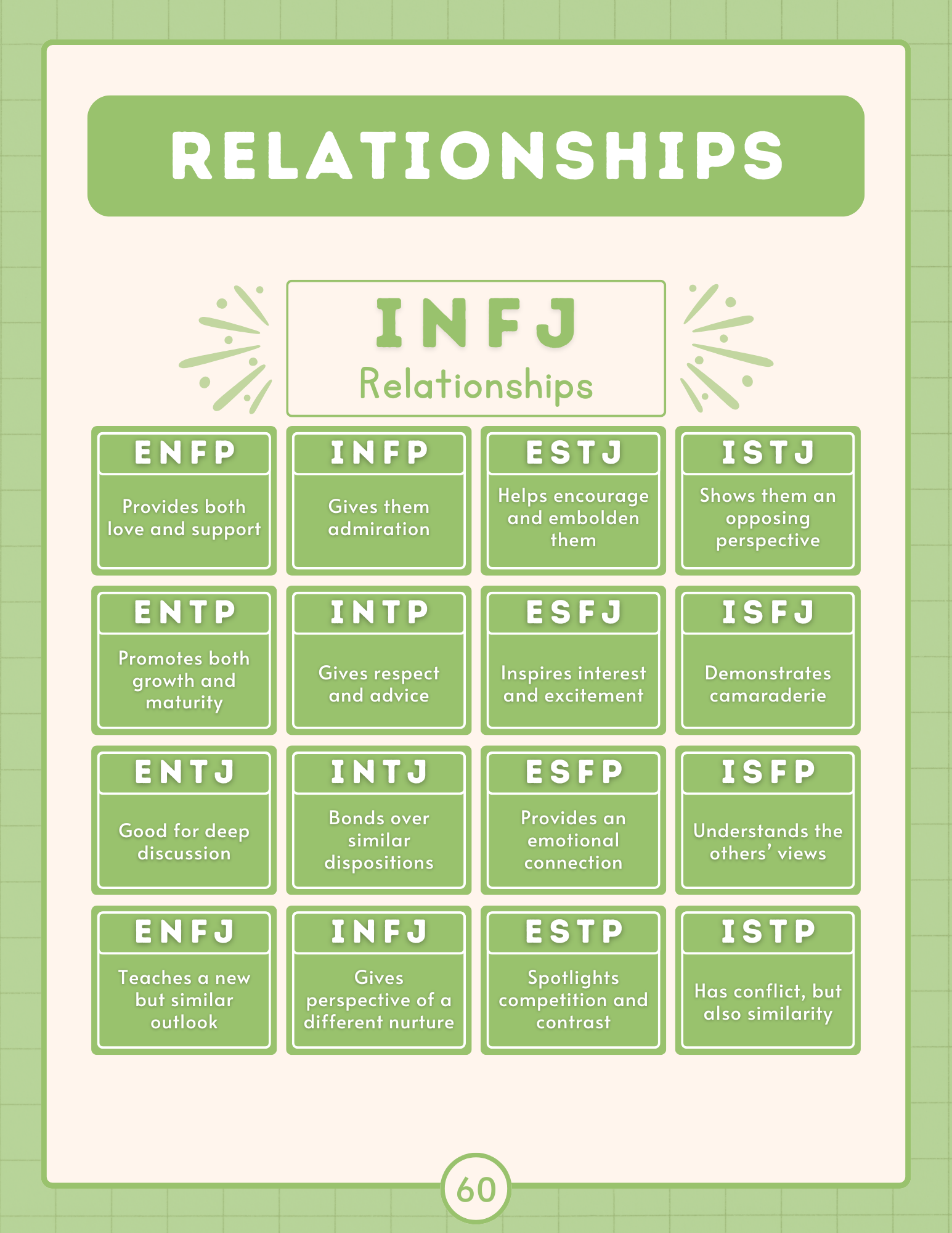
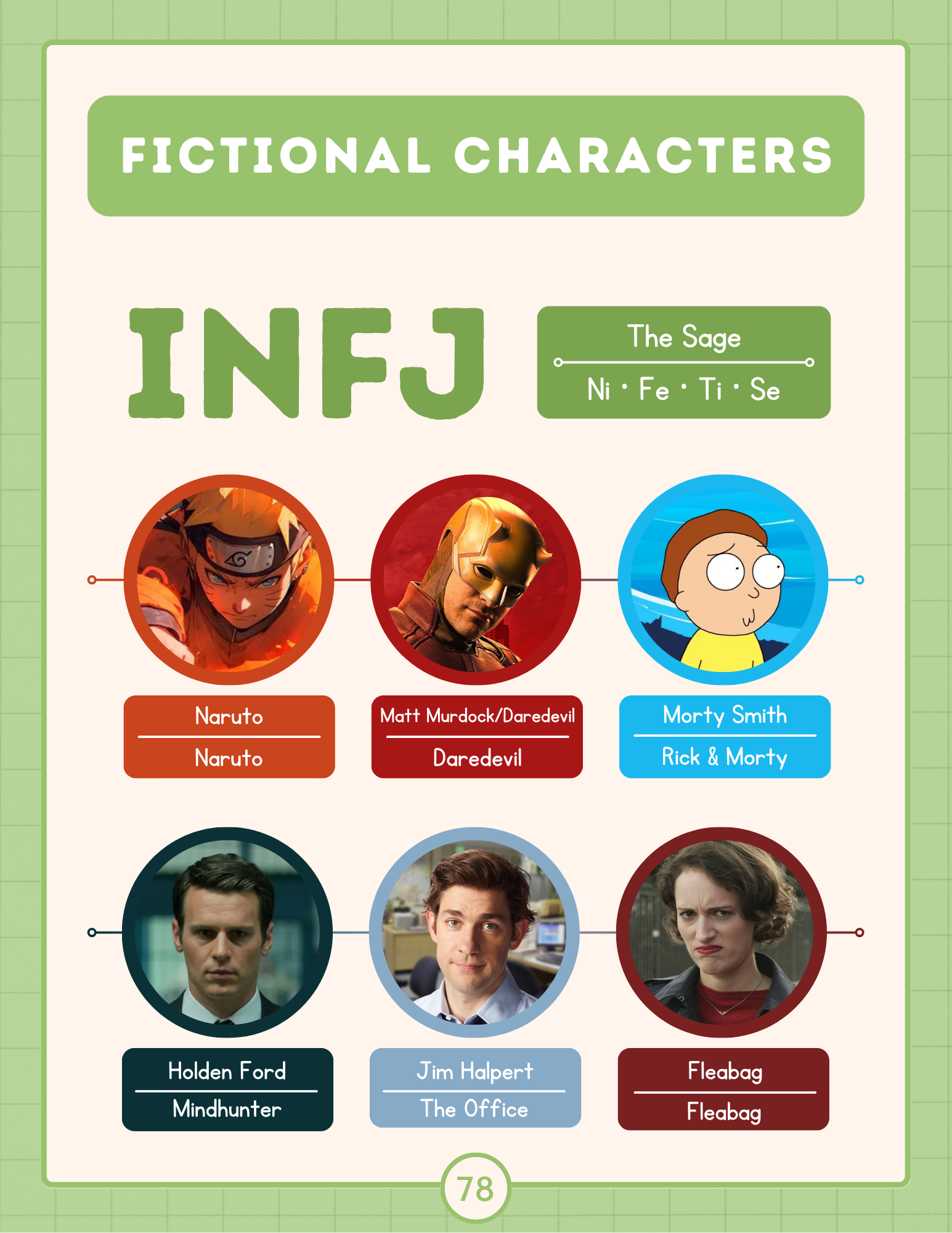
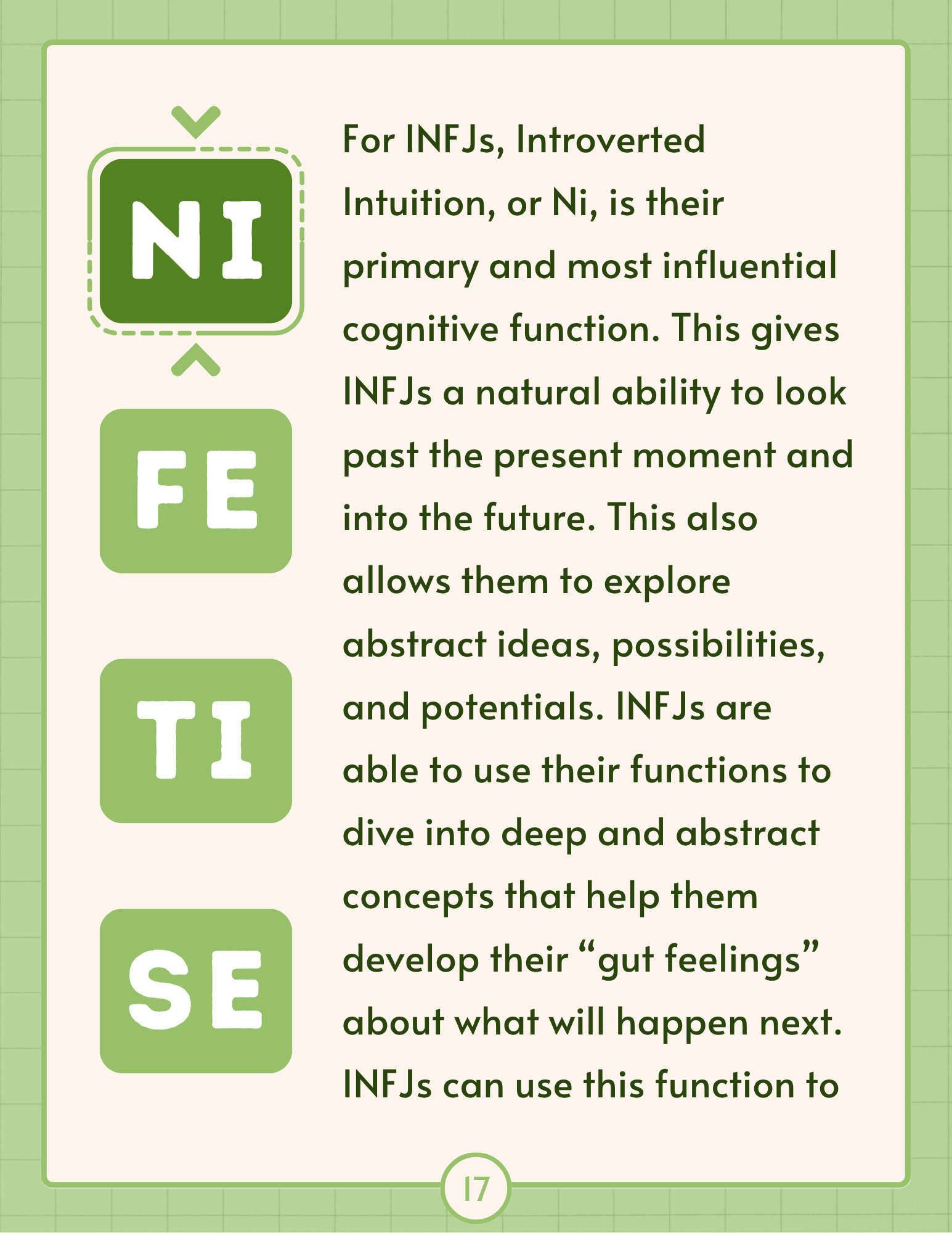
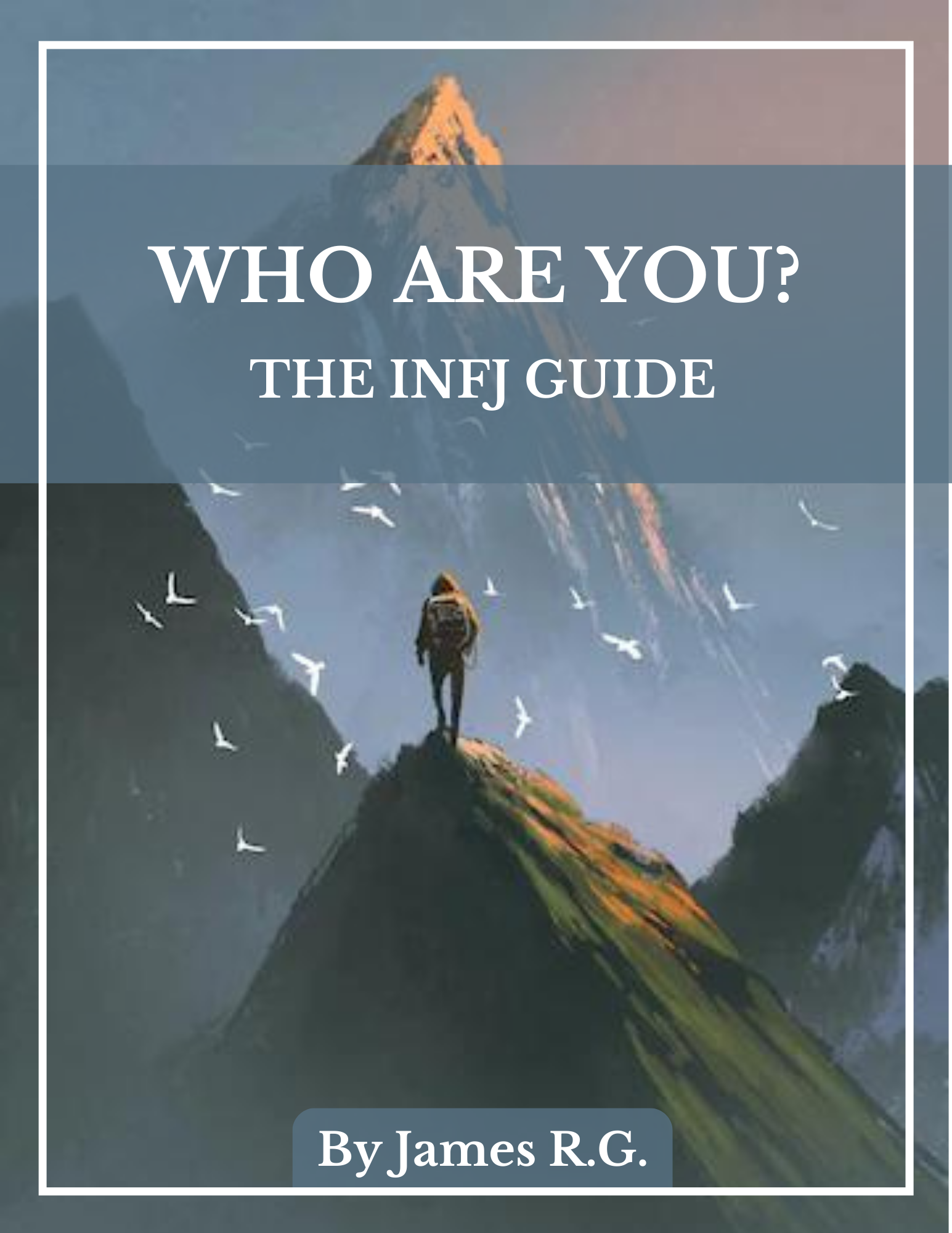
INFJ Guide
Live it well
The practical companion. Once you understand how your mind works, the Guide helps you use it, in your relationships, your career, and the day-to-day work of growing into your type instead of fighting it.
- Relationships and compatibility
- Careers that fit
- Growth and stress management
- Everyday INFJ strategies
Not sure you are really an INFJ?
Plenty of people mistype at first, and INFJ gets confused with INFP and ENFJ all the time. If you want to be certain, a typing session will settle it.